2026年10月23日
coordination: Miu Nakamura
edit: Yu Kokubu
There is something rather strange about the shirt collar.
We straighten it before leaving the house. We pull it down when it feels too tight. We turn it up when the weather is cold. We run a finger underneath it. We button it, unbutton it, fold it, flatten it, loosen it….We do all of these actions without thinking, yet when we look at someone’s face, we cannot help but see the collar in our field of vision. Compared to the rest of the shirt, it is a very small part, but we look at it a lot!
Because the collar is situated around our neck, it can feel like it’s choking us if worn too tight, although there are some who seem to enjoy the gentle pressure of the cloth on the skin. Perhaps, each time we shop for a shirt, we are subconsciously considering the collar more than we realise!
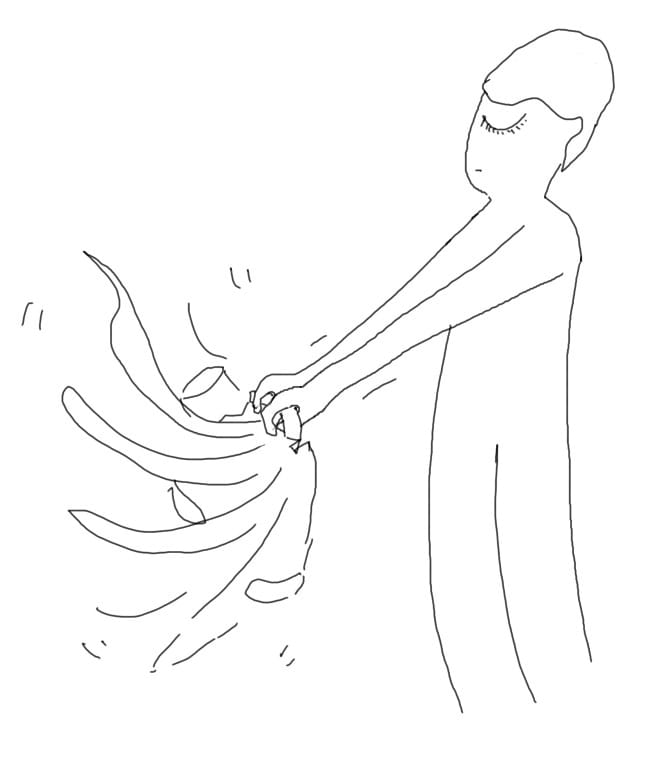
There are probably many ways to pick up a shirt; we can grab it from the sleeve or even by the hem, but most of the time, we intuitively reach for the collar like the way we place our hands on the steering wheel when we enter the car. When we put on a shirt, one hand naturally holds the collar to guide the other arm through the sleeve, setting the rest of the shirt properly upon the shoulders.
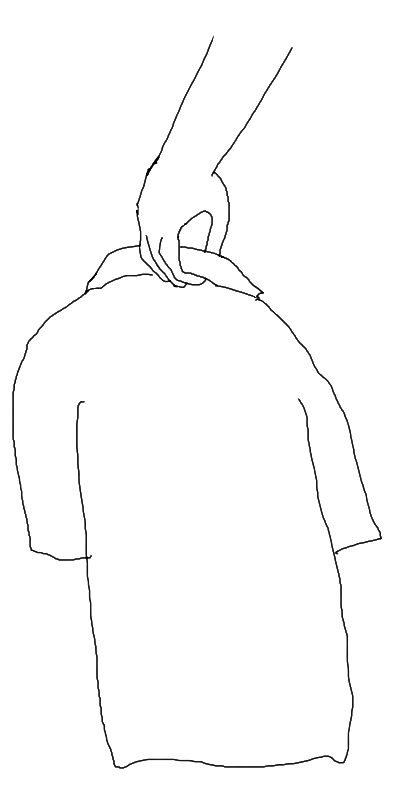
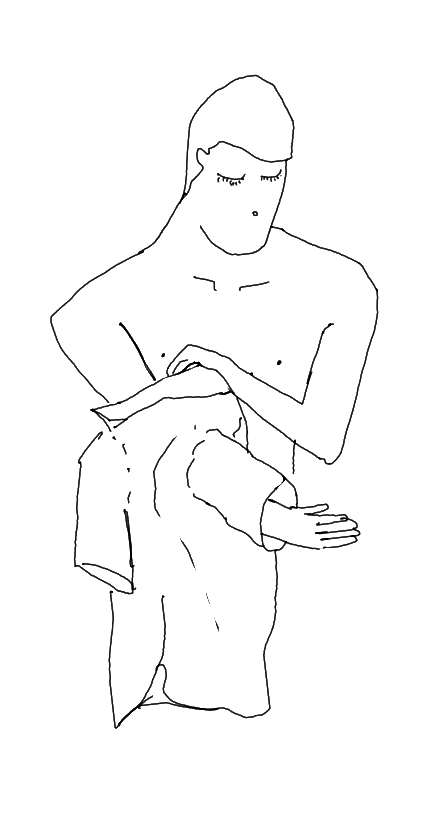
The collar is a good steering wheel for the rest of the shirt. Why do we do this? Nobody has taught us to hold a shirt this way, and unless one is brought up in a home fussy about etiquette, there is hardly any instruction manual that will say: “First, take the collar…” Yet somehow, our hands already know. Is it because the collar is the most structured part of the shirt? Find the collar, and the rest of the shirt seems to follow…
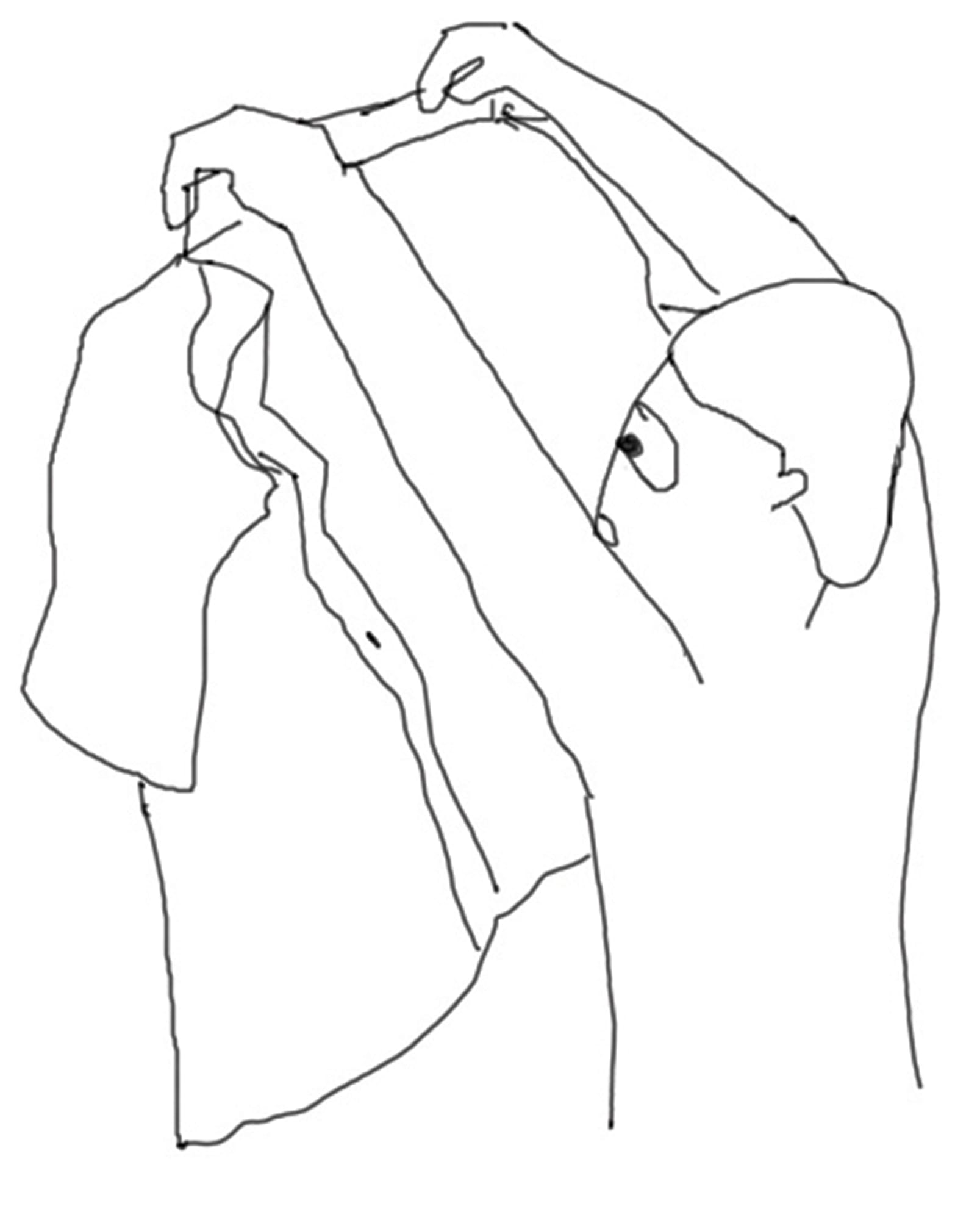
Many will agree that shirts with proper collars can easily produce a sense of formality in the wearer. This is a kind of convenience (or laziness) in our modern clothes, but what is it about the collar that produces that atmosphere of formality? Is it the hidden “arrow” pointing at the face?
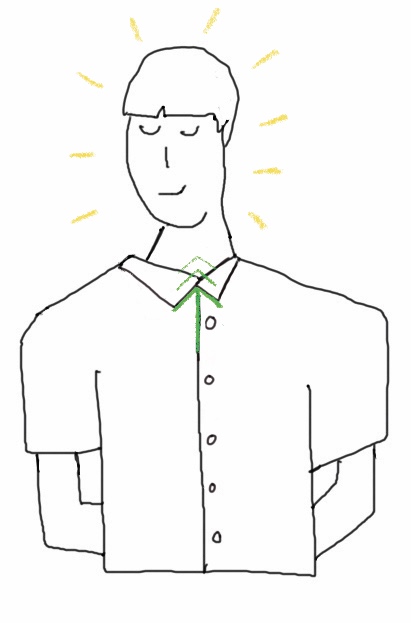
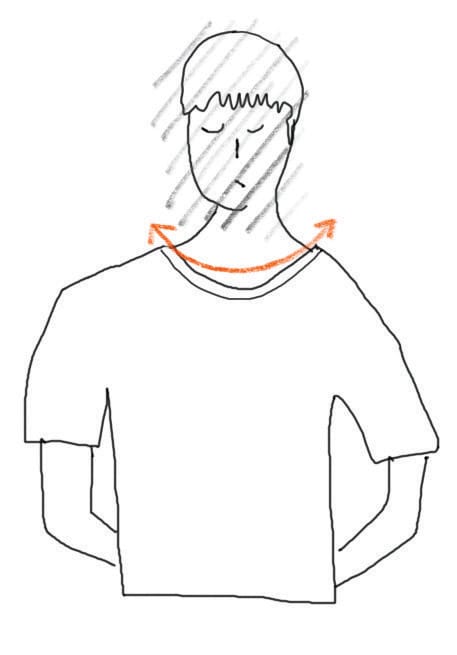
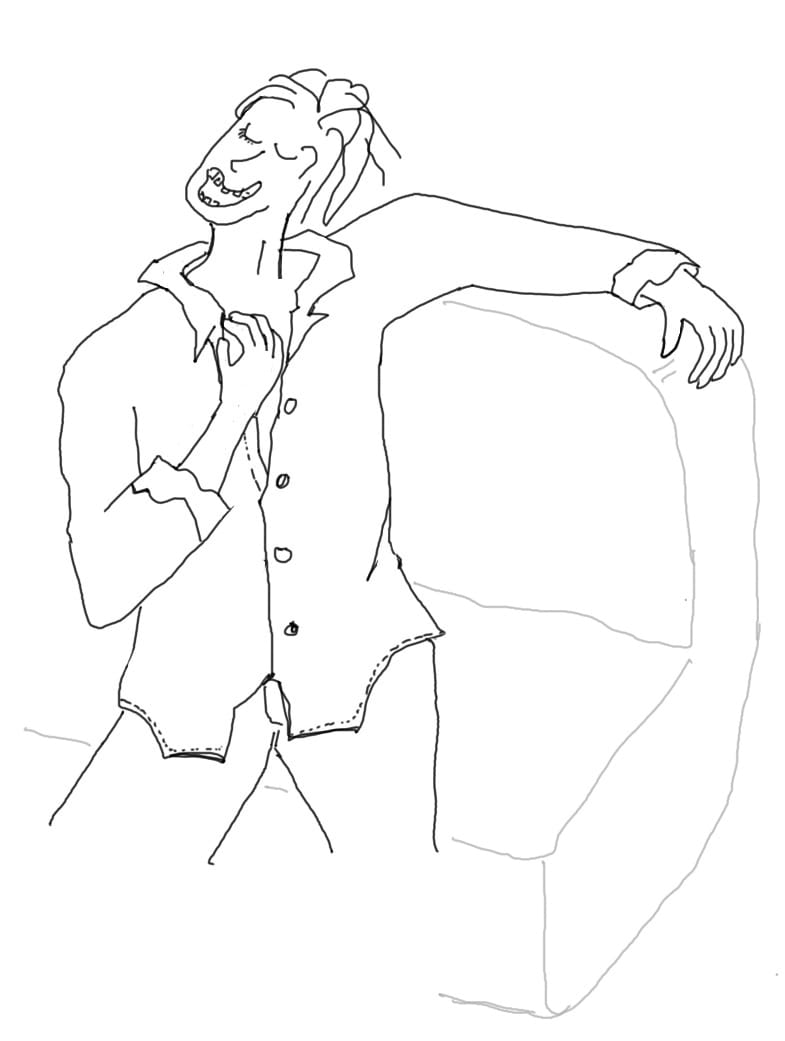
When a shirt is buttoned all the way up, and the two flaps of the collar meet neatly in front of the neck, it forms a small angle that seems to point upwards, directing our gaze towards the fact that seems to be saying:“Look here! Look at my face!”
With collared shirts, we tend to spend more time in front of the mirror adjusting; looking at our own reflection, tilting the head left, then right, then left again, checking the gap between collar and skin of neck, ensuring the flap is flat, to button or not to…But what happens when a mirror is not conveniently present, and the need to adjust our collar is urgent?
Our human body is more or less symmetrical. We know where the centre of our face is. We know when the collar has somehow slipped backwards. Even though we cannot see the back of our necks, we can tell if one side of the collar is askew. The goal of adjusting collars is also to achieve symmetry.
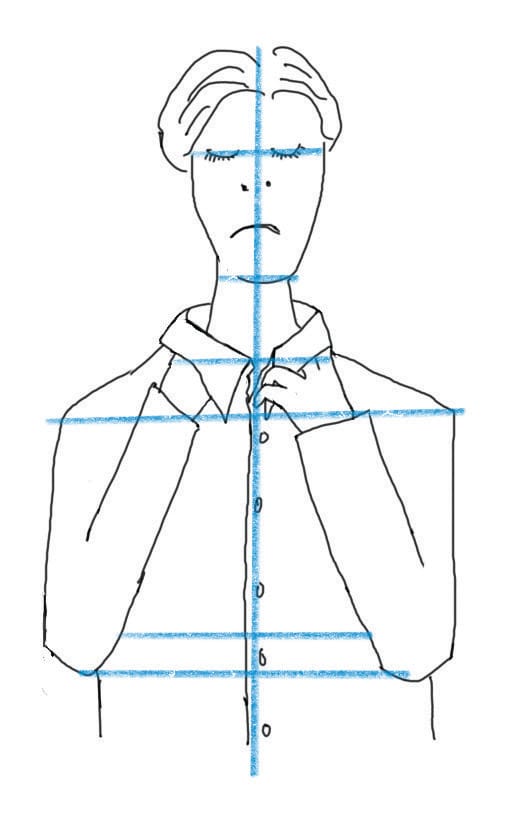
One hand pulls gently while the other follows. Ten fingertips move around the neck, feeling the edges, searching for differences. They travel upwards, downwards, and around the cloth. The fingers become a kind of eye, seeing through touch. For a moment, it feels like the mundane task of adjusting the shirt collar without a mirror becomes an encounter with the symmetry of our own body.
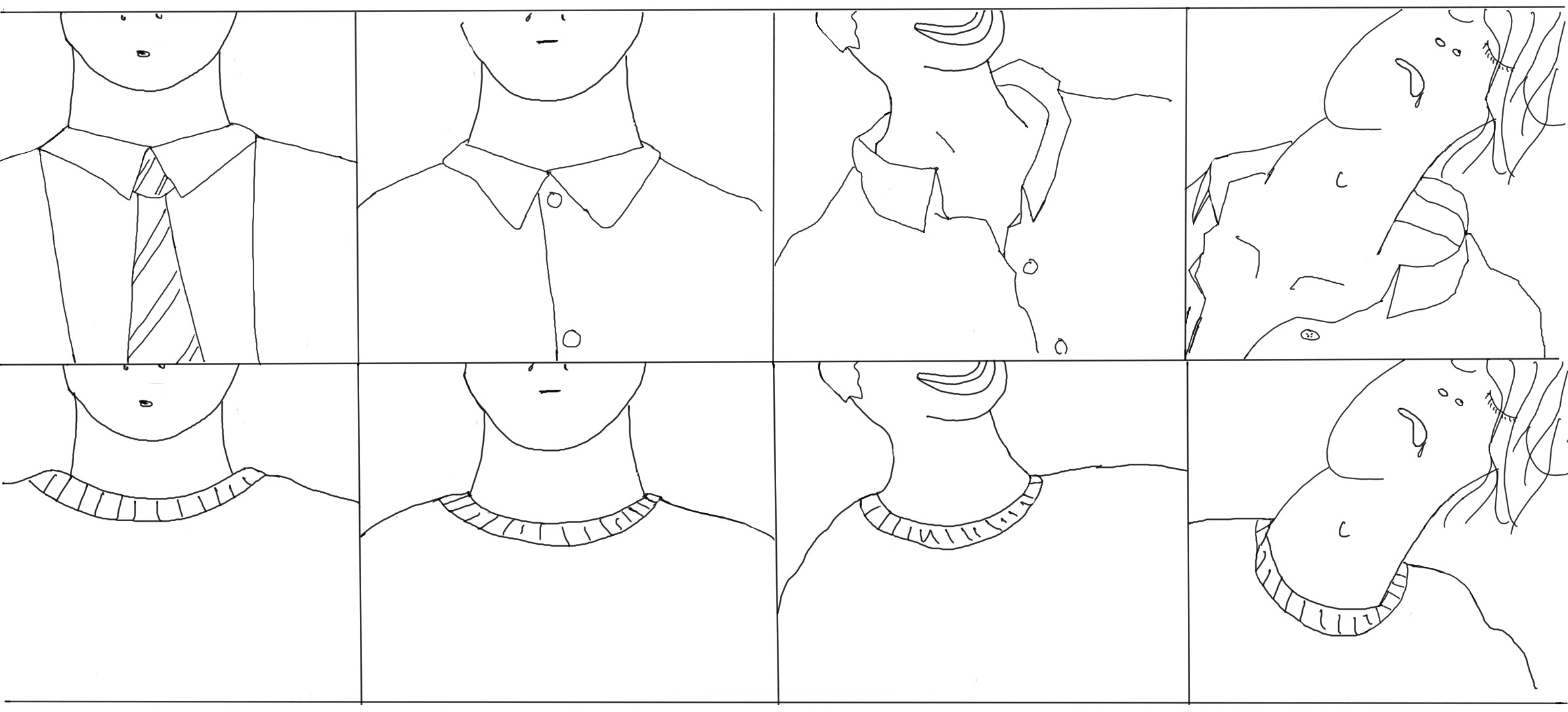
Perhaps, setting a collar has less to do with looking than we imagine…
But enough about looking nice and sharp! Collars can also appear more casual than a T-shirt by simply making a few small adjustments. A collar buttoned all the way up immediately produces a sense of formality. We might sit a little more upright, speak a little more carefully as though the shirt is reminding us how to behave…
Undo the top button.
It is only one small button passing through one small slit. Yet, the moment it comes free, something seems to loosen. The neck is free, the skin can breathe, and the air around appears fresher! Funnily, the cloth also feels softer and lighter on the body, and we begin to relax and lean back. We might talk a bit louder, smile a little wider, put our hands in the pocket…
Undo another button.
Now the two sides of the collar begin to fall apart. One flap may hang lower than the other. The collar moves with the body instead of holding its position. A little wind catches the cloth and makes it flutter. The arrow has disappeared.
Standing beside someone wearing an ordinary T-shirt on the train, we might find that our two-button-open shirt feels even more casual.
Come to think of it, even the gestures involved in unbuttoning a shirt feel like they are already setting up a casual atmosphere. When we button up a shirt collar, both hands are used throughout the process: straightening the collar, tucking everything in place and making sure the left and right sides are balanced and in agreement with each other.
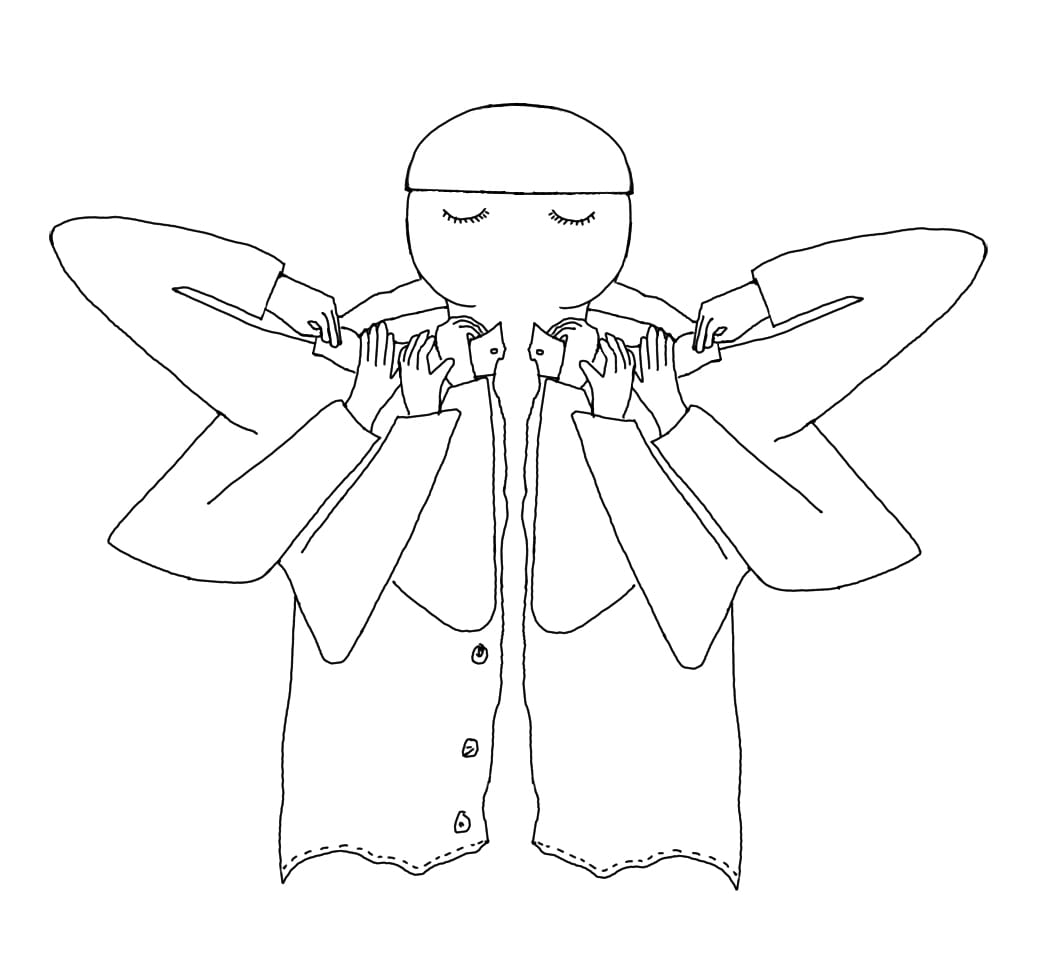
Unbuttoning, on the other hand, requires only one hand and three nimble fingers. The transformation from formal to casual is effortless and radiates quickly from the moment the button is released.
Not many pieces of everyday clothing can move between formal and casual so easily and effectively. A T-shirt does not seem to offer us the same possibilities. It can have a round neck, a V-neck or a high neck. It can be oversized or tight. It can be white, black, striped or covered with patterns that nobody quite understands. The T-shirt remains casual.
The shirt, on the other hand, can effortlessly take us to the office when fully buttoned, and to lunch with one button undone. With another button released and the sleeves rolled up, it can carry us into the evening, towards a casual dinner and perhaps a drink afterwards. The shirt changes as the day passes. At the end of the day, the shirt comes off the body completely, collar first.
–Atelier HOKO, October 2026
PROFILE
Atelier HOKO
An independent creative practice in Singapore, founded by Alvin Ho and Clara Koh. In their self-published magazine Science of the Secondary, they explore a single, often-overlooked object or phenomenon from everyday life in each issue, examining it from a variety of perspectives.
Official Website
https://atelierhoko.com/
Instagram
https://www.instagram.com/atelierhoko/
ピックアップ
PROMOTION
〈トミー ヒルフィガー〉に稲妻が走る!?
藤原ヒロシさんを直撃! トミー ヒルフィガーとFRGMTのコラボレーションはいかにして生まれたか。
2026年10月14日

PROMOTION
リッチモンドで出合った、Compass Boxというウイスキーについて話をしよう。
Compass Box
2026年10月8日
PROMOTION
ぼくが〈 UGG 〉を履くとき。/#1 パン・コーリー
UGG
2026年10月9日
PROMOTION
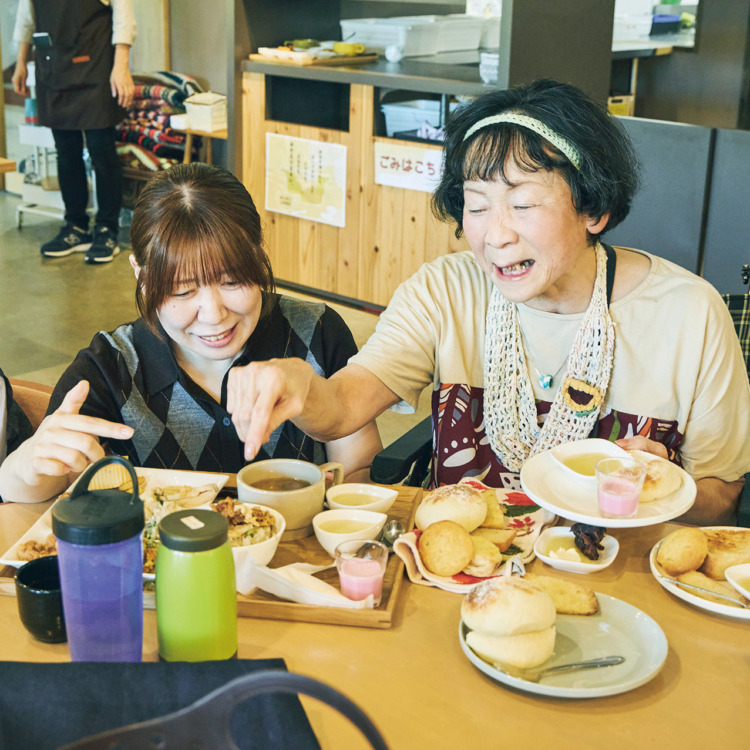
介護の現場はこんなに変わってきた。/介護福祉士・伊井香奈子さん
介護の仕事って、今こんなにあたらしいんだ。
2026年10月9日
PROMOTION
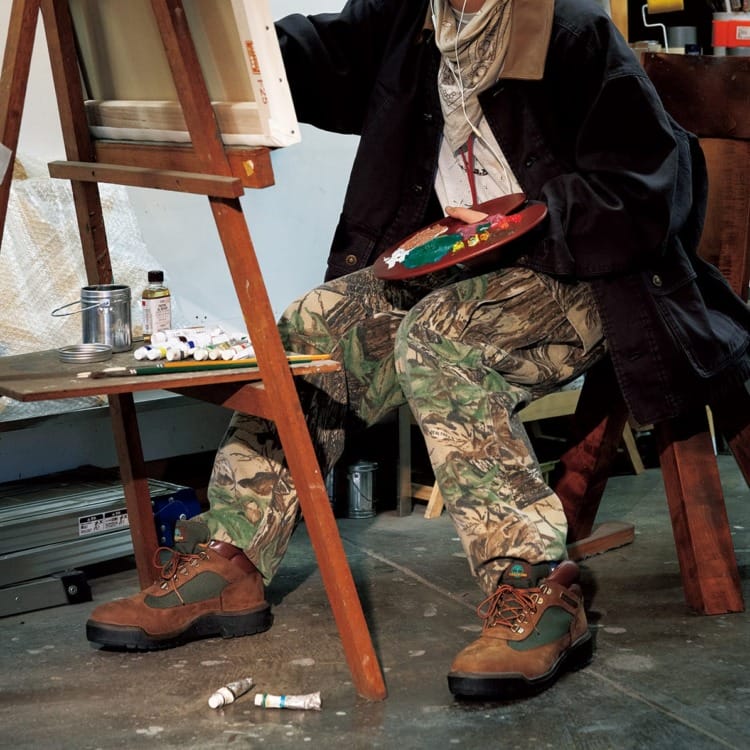
Field of Paintings
Timberland
2026年10月9日

PROMOTION
アートもローカルから。それがPARCO流。
PARCO ART & CULTURE DAYS
2026年10月6日
PROMOTION
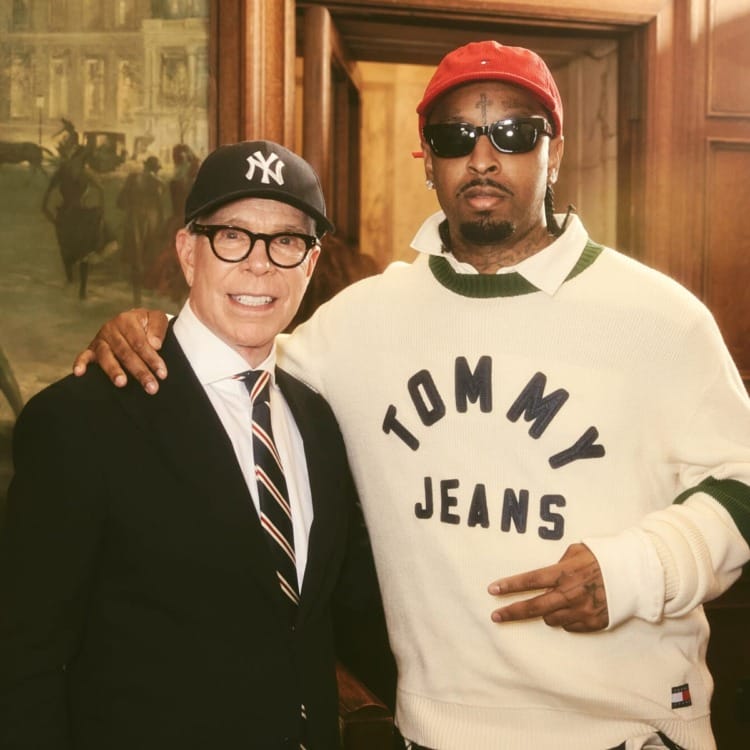
トミーさん、「PLAZA PREP」は最高です!
トミー・ヒルフィガーさんに、2027 Springコレクションとプレッピーについて9つの質問。
2026年10月9日
PROMOTION
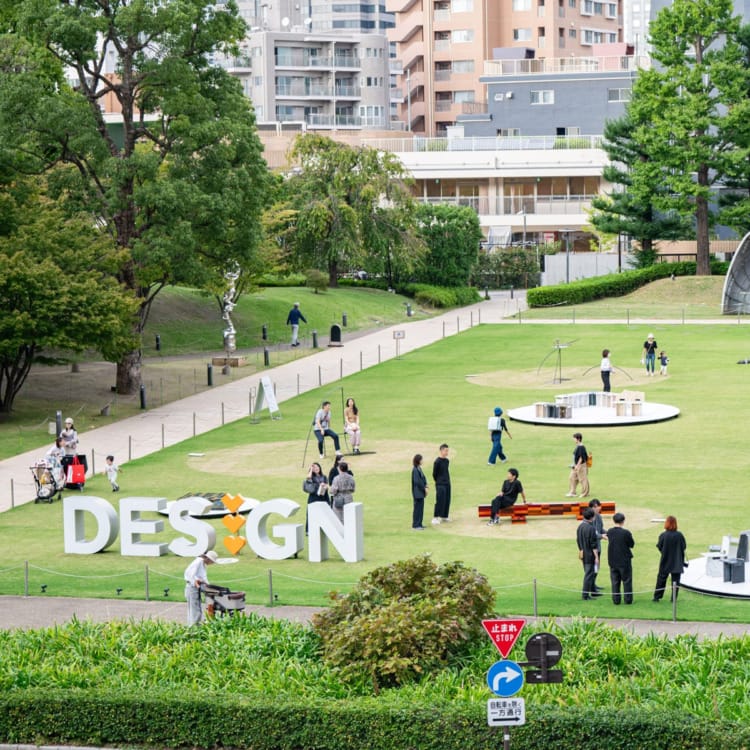
芝生でのんびりもいい、デザインの祭典。
TOKYO MIDTOWN DESIGN LIVE 2026
2026年10月9日

PROMOTION
新しい〈コロンビア〉と、長い散歩。
Columbia
2026年10月9日
PROMOTION
Fall In Field Coats And…
L.L.Bean
2026年10月9日
PROMOTION
介護の現場はこんなに変わってきた。/介護職・安富ひかりさん
介護の仕事って、今こんなにあたらしいんだ。
2026年10月23日

PROMOTION
AIとともに考え、切り拓いていくこと。
Machines of Loving Grace
2026年10月15日
PROMOTION
介護の現場はこんなに変わってきた。/介護職・中村一真さん
介護の仕事って、今こんなにあたらしいんだ。
2026年10月16日
PROMOTION
トミーさんが“ザ・プラザ”に帰ってきた!
ニューヨーク・ファッションウィークで、〈トミー ヒルフィガー〉が 2027 Springコレクション「PLAZA PREP」を発表。
2026年10月9日

PROMOTION
WilsonとUS OPENが彩るニューヨークの晩夏。
Wilsonとテニスの深い関係を巡った夏の終わりの記録。
2026年10月9日
PROMOTION
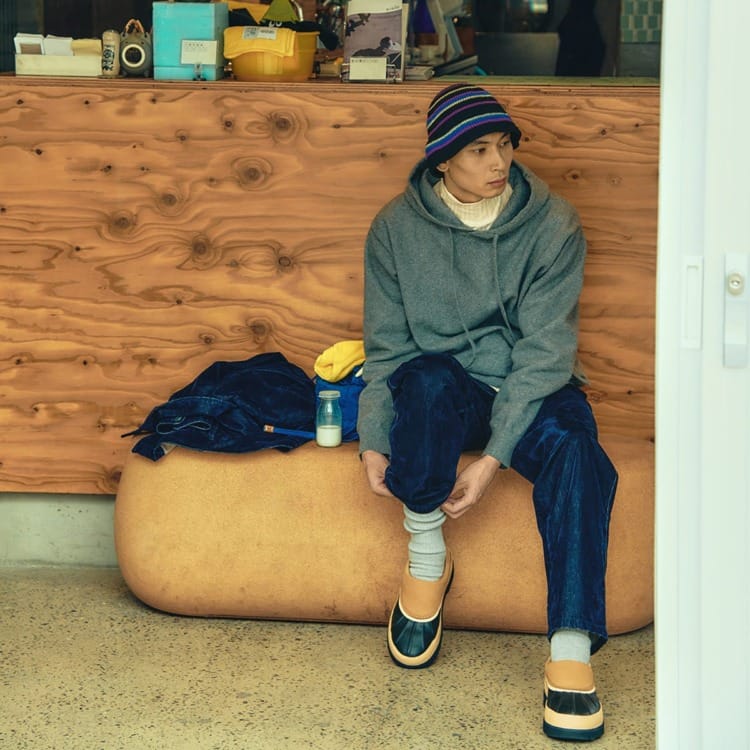
〈SOREL〉のアンブラーと、メンテナンスデイ。
SOREL
2026年10月9日
PROMOTION
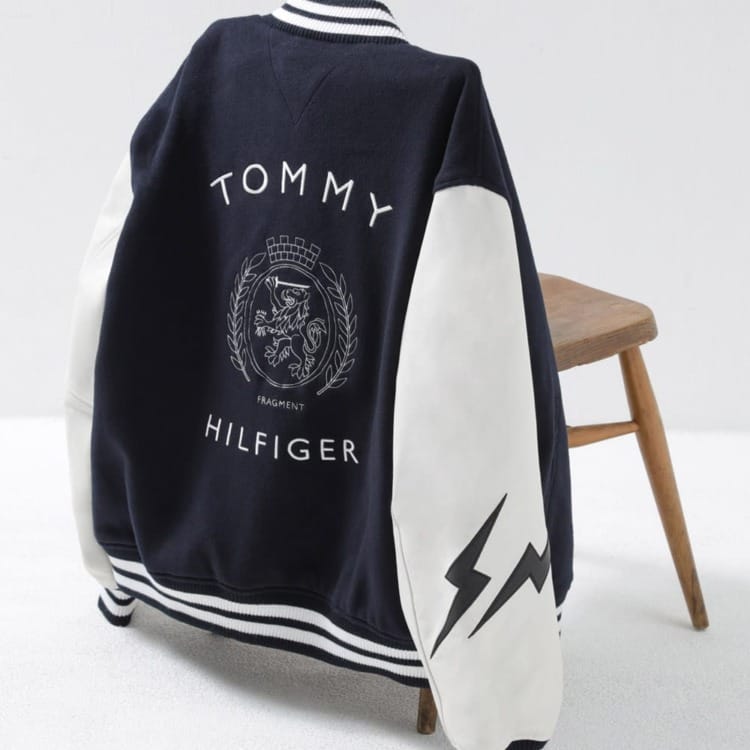
〈トミー ヒルフィガー〉と「FRGMT」、ふたつのカルチャーが必然の邂逅!
プレッピーのフレッシュな進化を象徴する、「FRGMT」とのコラボレーション。
2026年10月15日